
The Rise of Mobile Robotics: Compliance Considerations
04 May 2026
Integrating Risk Assessment, Functional Safety Design, and System-level Validation
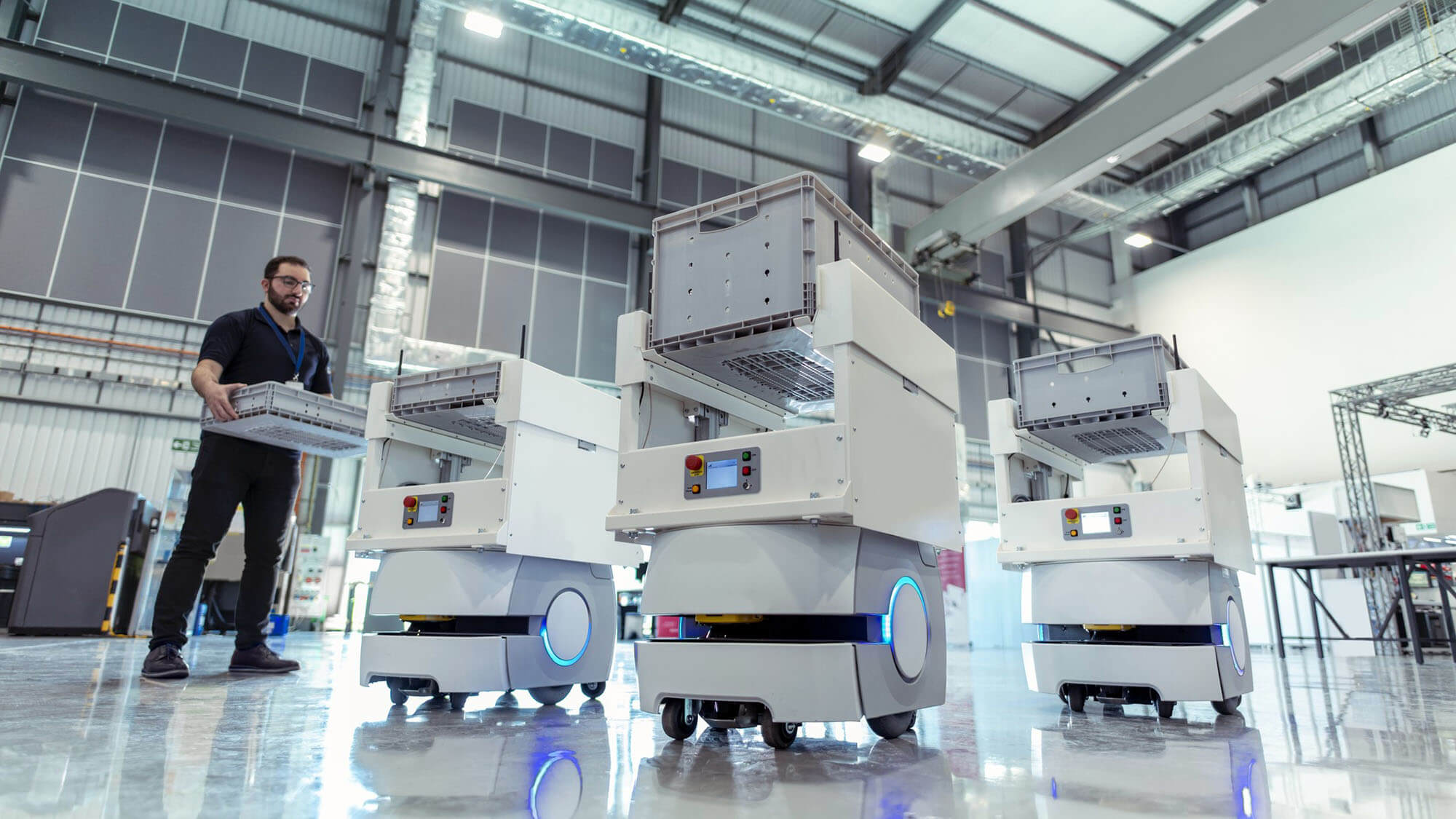
Mobile robots are becoming increasingly common in manufacturing, logistics, and warehousing environments. They range from automated guided vehicles to fully autonomous mobile platforms. Their ability to navigate dynamically, interact with people, and perform tasks without fixed guarding presents both opportunities and challenges. As adoption of these technologies accelerates, so does the need for thorough compliance evaluations.
This blog outlines the key considerations involved in assessing the safety and compliance of mobile robotic systems.
Understanding the Applicable Standards and Requirements
Mobile robots can fall under a variety of standards depending on their configuration, application, and the regions where they are intended to be implemented. The standards differ substantially between industrial trucks, mobile manipulators, collaborative applications, and robots designed for mixed use environments, however there are many similarities in the requirements across these diverse standards.
Because mobile robots often combine navigation technologies, vision systems, drive mechanisms, and safety-rated sensors, compliance must be approached from a system perspective rather than a component-only review. ISO 12100 requires that mobile robot safety must be assessed at the system level. This assessment considers the interaction between hardware, software, environment, and human operator – not just individual components.
Navigation and Sensing Technologies
Safe navigation depends on reliable perception of the robot’s surroundings and being predictable. Key components within mobile robotic navigation systems are typically comprised of:
- LiDARs and other distance-measuring devices
- cameras and vision systems
- ultrasonic or infrared sensors, or
- sensor fusion algorithms
Limitations such as blind spots, reduced visibility under certain lighting conditions, occlusion, and mechanical vibration can influence detection reliability. Safety and performance evaluations must consider how sensors behave across the full range of expected operating environments, and the reliability of these safety systems.
Speed, Braking, and Stopping Performance
While navigation and sensing allow a mobile robot to know where to go, and if there are any hazards, speed, braking and stopping systems are the systems that are used to limit the hazards to the users or public.
A mobile robot’s ability to stop safely is influenced by a variety of factors including the payload, flooring conditions, reaction time of the control system, and the stopping characteristics of the drive mechanism.
Stopping performance must be validated through measurement, not estimates. Variability in load distribution or changes in surface friction can significantly affect stopping distance, making verification essential.
Human-Robot Interaction
Mobile robots commonly operate in shared spaces with people. The human-robot interaction is complicated because humans are unpredictable. This means that the interactions result in the need to consider intended and unintended interactions. The behavior of mobile robots around pedestrians, the approach speeds, their risk of entrapment in tight spaces, and the operation near blind corners or intersections are all common situations that the assessments must address.
Battery and Charging Safety
Mobile robots typically rely on high-capacity batteries, increasing the importance of safe charging and thermal management. Evaluations require examination of battery enclosure design, charging procedures, fault detection behavior, and the potential for thermal runaway. In many cases regions have specific regulatory frameworks and requirements batteries. Intertek has global expertise in assisting manufacturers with battery requirements.
Conclusion
As mobile robotics continue to expand into new applications, comprehensive safety and compliance evaluations become increasingly important and complex. A structured, system level approach helps ensure that mobile robots operate predictably, maintain safe interaction with people, and meet regulatory and industry expectations for performance and reliability. Ultimately, compliance for mobile robotic systems requires integrating risk assessment, functional safety design, and system-level validation.

You may be interested in...
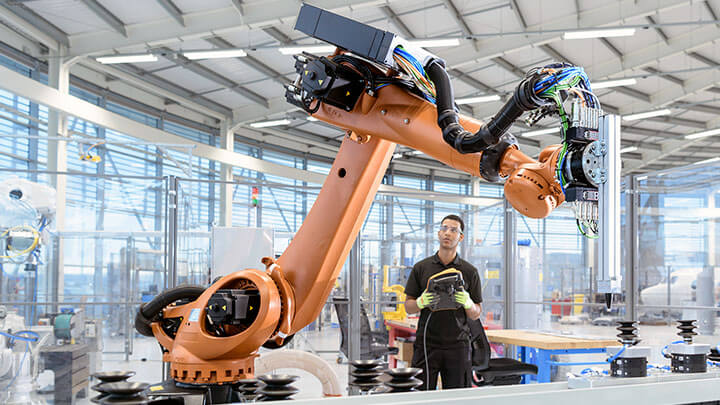
Robots & Robotic Testing and Certification Solutions
From collaborative robots in the automotive industry, to autonomous mobile storage for the retail industry, to robotic personal assistants in your day-to-day activities, Intertek supports the robotic industry across the new industrial revolution.