
Risk Reduction and Functional Safety in Product Design
26 Oct 2026
The Importance of Integrating Risk Reduction into the Design Process from the Beginning
Effective risk assessment is one of the foundations of product safety engineering. While identifying hazards is important, the real value comes from understanding how risk is evaluated and how hazards can be reduced through design. For manufacturers pursuing product certification, this process directly impacts both product safety and the efficiency of certification reviews.
In safety engineering, risk is typically evaluated as a combination of two factors:
- Severity of harm
- Probability that hazardous events occur
The probability component may include factors such as frequency of exposure, likelihood of occurrence, and the ability of users to avoid or limit harm. Evaluating these factors correctly is critical because it helps manufacturers understand potential roadblocks and design requirements early in the development process.
A key principle in risk evaluation is to assess the inherent risk before considering protective measures. This establishes the true severity of the hazard and ensures that selected mitigations provide adequate protection.
The Risk Reduction Hierarchy
Risk reduction strategies generally follow a hierarchy that prioritizes engineering solutions over administrative controls as mentioned below:
- Inherently safe design: The preferred approach is to eliminate hazards directly through design. This can include modifying the design or process to eliminate or reduce the hazard if possible. Examples may include:
- Reducing operating forces or speeds
- Increasing spacing between moving components
- Eliminating access to exposed energy sources or sharp edges
Designing out the hazard is typically the most effective and reliable form of risk reduction.
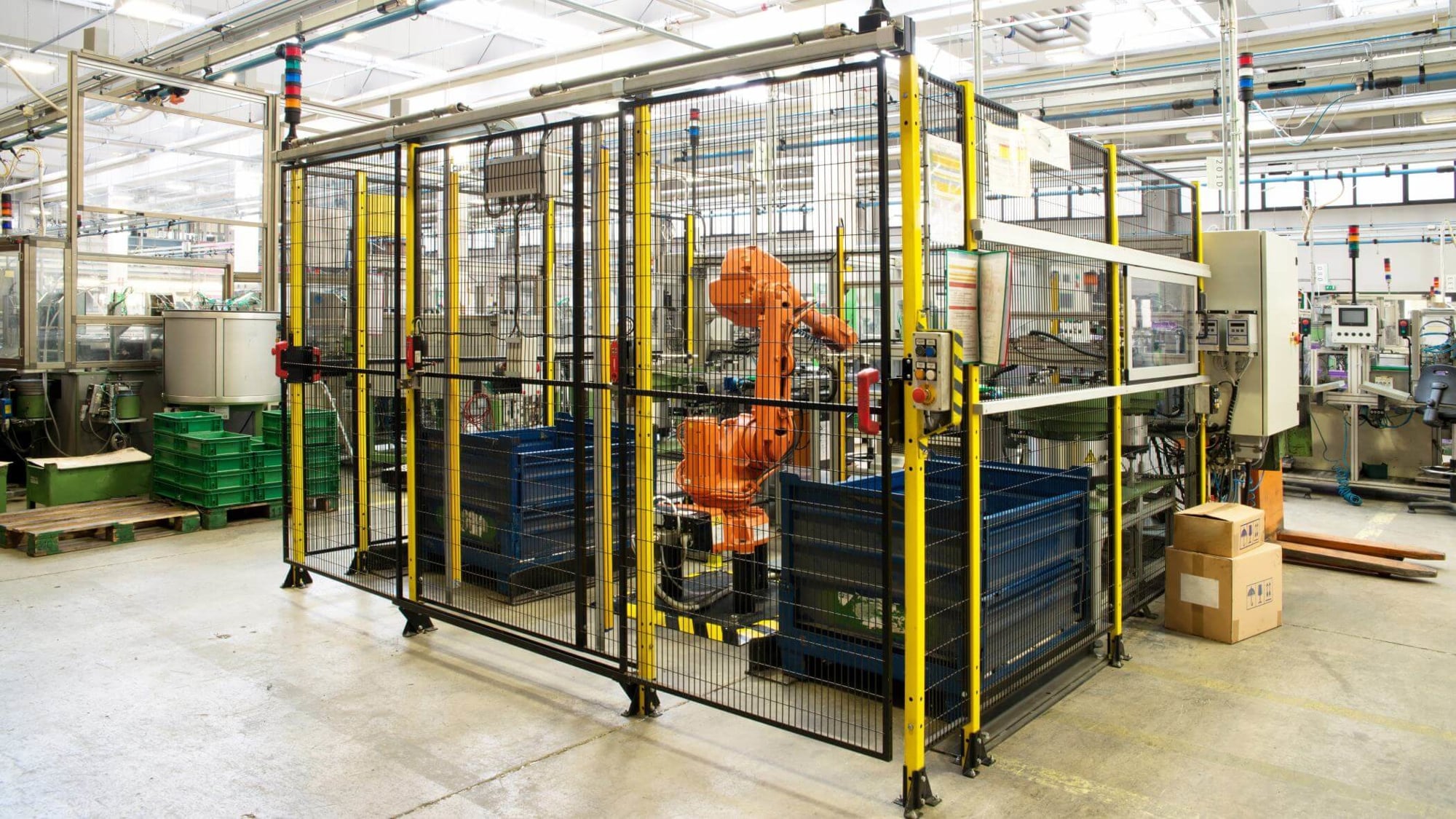
- Safeguarding and protective measures: If hazards cannot be eliminated completely, additional safeguards may be required. These measures can include:
- Fixed guards
- Interlocks
- Light curtains
- Safety-rated control systems
Implementing protective devices requires an understanding of how reliable those safety functions must be to reduce the risk to an acceptable level.
A common challenge for manufacturers is installing protective devices without fully evaluating their reliability requirements. Simply adding an interlock does not automatically achieve compliance or acceptable risk reduction. Overlooking functional safety considerations can lead to redesigns late in development, resulting in additional cost and delayed product release.
- Information for use: Warnings, labels, instructions, and operator training represent the final layer of risk reduction. While these measures are important, they are generally considered less reliable than engineering controls because they depend on consistent human behavior; as such, their impact on overall risk reduction is always considered last.
A Practical Example
Consider equipment that uses rotating mechanical components to move materials. If operators frequently work near moving parts, there is a risk that fingers or clothing could become caught between components. Depending on the equipment, this can lead to everything from minor injuries with little or no down time to permanent, lifelong injuries or even death.
A minimal risk reduction measure might simply identify the hazard and place a warning label near the area. A stronger design approach would evaluate additional mitigation strategies, such as:
- Increasing spacing between moving components
- Installing fixed guards that prevent access to the hazard
- Using interlocked covers where operator access is required
These design-based solutions reduce the probability of injury without relying solely on user awareness. As mentioned above, if protective devices such as interlocks are used, the associated safety functions may need to be designed and validated according to functional safety standards to ensure the control system achieves the required level of risk reduction.
Why Early Risk Reduction Matters
The earlier hazards are identified and addressed, the more flexibility engineering teams have to implement effective design solutions.
Late-stage risk mitigation often results in:
- Additional engineering costs
- Longer certification timelines
- More complicated protective systems
- Increased documentation requirements
By integrating risk reduction into the design process from the beginning, manufacturers can create products that are safer, easier to certify, and more reliable in the field.
How Intertek Supports Manufacturers
Intertek supports manufacturers throughout the product development lifecycle by helping teams identify hazards early, evaluate safety functions, and prepare certification-ready documentation.
Furthermore, through testing, engineering evaluation, and certification services, Intertek helps manufacturers strengthen product safety while reducing time-to-market and increasing regulatory confidence.

You may be interested in...
Functional Safety Testing & Certification
From early design stages through to production, our modular FS solutions provide flexible options for manufacturers, and our FS Mark provides stakeholders with visibility for products they purchase, install, or utilize in operations.